
Star Trek Outposts Unknown Morale: Crew Care Guide
Improve Star Trek Outposts Unknown morale with practical tips on crew quarters, food supplies, medical care, shifts, and preparing outposts for departure.
Jump to
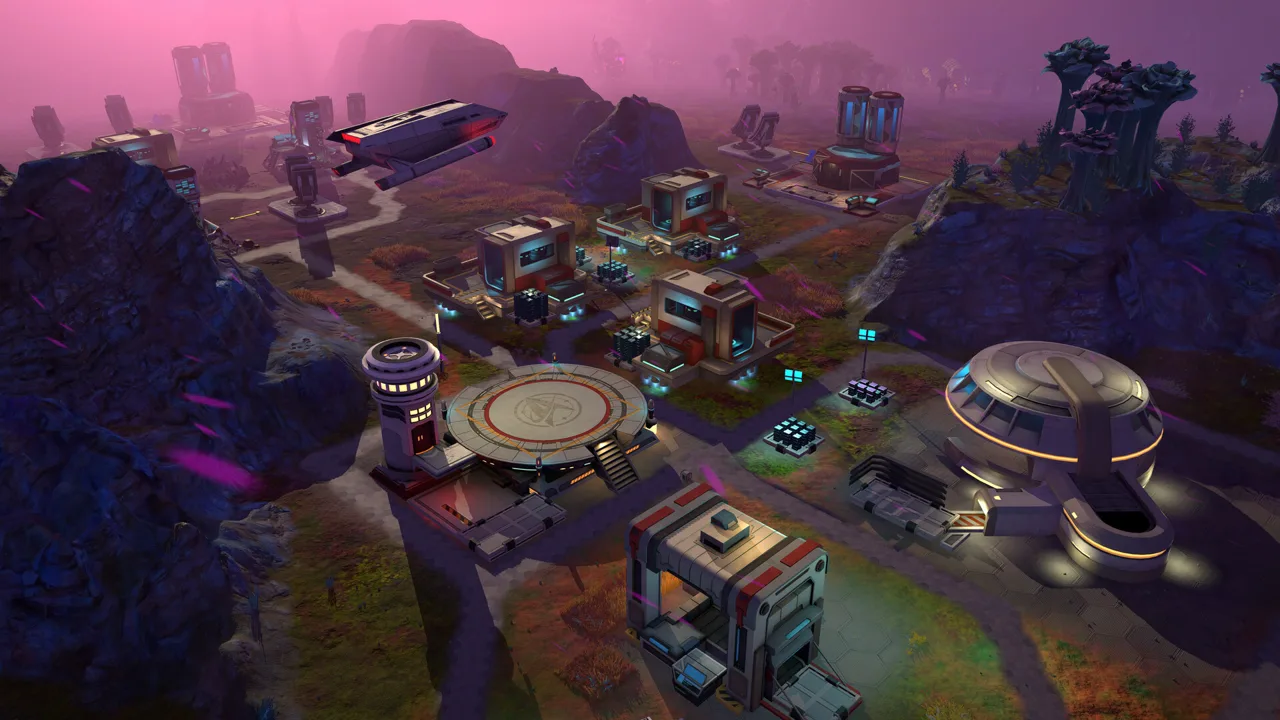
How to Support Crew Morale
Your crew needs somewhere to live, eat, and recover while investigating a system that keeps finding new ways to threaten them. For Star Trek Outposts Unknown morale management, prioritize comfortable quarters, supplied support facilities, and protection from dangerous environments. Keep Star Trek Outposts Unknown morale in your planning as you expand, because managing your officers’ well-being and sense of purpose is part of the captain’s job.
The crew aboard the U.S.S. Resonant faces more than construction deadlines. Your officers investigate the Tetryon Rift, establish research stations, and operate across planets with very different hazards. Your actions as captain can affect their dedication to the mission.
Start by checking how your people are doing. The crew status interface lets you review their happiness, health, and exposure to danger. Use that information to decide what needs attention before adding another production goal.
Build your inspection around these questions:
- Does your growing crew have sufficient living space?
- Can the planetary mess hall produce meals?
- Are medical facilities ready to support injured personnel?
- Are essential structures and work areas protected?
- Can the outpost continue operating when the ship leaves?
Address an immediate injury or active threat before working on longer-term comfort. Then examine the facilities supporting daily life.
Keep happiness, health, and safety in view together. An injured officer needs treatment; a crew facing a housing shortage needs living space. Match your response to the problem you can see.
Official page: Star Trek Outposts Unknown (playstack.com)
Give Your Crew a Home Before Expanding
Crew quarters are an important part of establishing a lasting planetary presence. The Resonant supports your initial operations, but surface housing helps an outpost continue functioning while the ship travels elsewhere.
 Image: Steam / Magic Fuel Games
New arrivals also increase the resources required to support your personnel. Before expanding the roster, check whether your accommodation and supply arrangements can handle the additional crew.
For Star Trek Outposts Unknown morale planning, make room for everyday life alongside research and manufacturing.
| Facility or feature | Crew support function | Planning tip |
|---|---|---|
| Crew quarters and planetary housing | Provide living space for personnel | Check accommodation before adding more crew |
| Mess halls | Provide meals for surface inhabitants | Include food inputs in your supply planning |
| Medical facilities | Support treatment and recovery | Prepare medical support before leaving an outpost behind |
| Entertainment options | Form part of a self-sustaining outpost’s crew facilities | Include recreation in your settlement plans |
| Decorations | Beautify the crew’s temporary home | Set aside space to personalize the outpost |
Build with the station’s future role in mind. A research outpost that will operate independently needs the facilities to support its inhabitants after the ship departs.
Decorations give you ways to make these distant assignments feel more like home. Include them as you develop the base, while keeping essential housing, meals, and medical support in your construction plans.
Use arrival periods as a prompt to review capacity. Examine each recruit’s competencies, then check the resources needed to support that addition. More personnel can fill important roles, but every new officer also joins the population your outpost must sustain.
Avoid expanding your roster solely because another crew member is available. Review the living arrangements and supplies that will support the assignment first.
Keep Meals and Building Utilities Supplied
An outpost can have the right buildings and still struggle to support its crew when those buildings lack inputs. Follow the supply chain all the way to the facility doing the work.
 Image: www.playstack.com
The planetary mess hall uses food proteins to synthesize meals. Food synthesizers also depend on organic inputs within the wider logistics system. When planning crew support, account for production, storage, and transport together.
Star Trek Outposts Unknown morale management therefore belongs beside your resource planning. Put crew supplies on the same inspection list as construction materials and scientific equipment.
| System | Required input or support | What to inspect |
|---|---|---|
| Planetary mess hall | Food proteins for meal synthesis | Check whether food proteins are reaching the surface facility |
| Food synthesizers | Organic input | Review the organic supply supporting food production |
| Fusion generators | Deuterium | Check fuel availability when planning power supply |
| Production buildings | Their required water, energy, compute, and materials | Inspect the individual building’s operating requirements |
| Resource storage | Space for incoming materials | Check storage before arranging additional deliveries |
The Resonant can support a developing outpost with materials from its storage. Food proteins can be transferred down to supply a planetary mess hall. Interplanetary transfers also let your network fill shortages that a particular location cannot meet locally.
When a support building stalls, work backward:
- Inspect the facility’s required inputs.
- Check the relevant resource supply.
- Review storage and delivery arrangements.
- Check the utilities required by that building.
- Arrange ship support or an interplanetary transfer where needed.
Use resource tooltips to locate where materials can be found or produced. With 55 unique resources moving through harvesting, refining, manufacturing, and transport, tracing a specific missing input is more useful than expanding production indiscriminately.
Plan utility infrastructure alongside the buildings it serves. Water pipes and other conduits occupy space, so leave room for the connections your growing outpost requires.
Organize Shifts and Respond to Danger
You can assign crew to day and night shifts. Use that control to organize your workforce around the jobs you need completed, and review assignments as the outpost grows.

Nighttime also has exploration value: some points of interest reveal themselves only at night. Keep those opportunities in mind when choosing who works each shift.
For Star Trek Outposts Unknown morale management, review crew condition alongside the schedule. Check happiness, health, and danger before sending personnel into another demanding assignment.
Direct crew commands give you a way to respond to emergencies while longer-term construction and production remain queued. These actions depend on the selected officer’s role and bypass the normal work queue.
| Crew role | Available action | Practical use |
|---|---|---|
| Engineering | Maintain buildings | Direct an engineer to a maintenance need |
| Medical | Treat injured crew | Send a medic to address an injury |
| Security | Respond to threats | Assign security personnel when danger appears |
| Science | Investigate formations and materials | Select a science officer for planetary investigation |
Use these commands when a situation needs immediate attention. An injured officer or active threat deserves a direct response while your broader work plans continue.
Radiation protection also requires deliberate planning. Shield Emitters protect structures and crew within their range, and their construction requires processed rare materials. Choose expansion areas with that protection requirement in mind.
Inspect coverage around the facilities and work areas you intend to use. When establishing an outpost on Kourou, include facilities that protect the crew against extreme cold in your initial plans.
Transportation deserves attention, too. Tetryon interference restricts free transport across planetary surfaces, while landing pads support crew travel back to the Resonant. Ground and air vehicles help with planetary exploration and resource movement.
Keep travel, protection, and emergency response connected in your planning. Each affects how you support officers working beyond the established base.
Prepare Every Outpost Before the Ship Leaves
The U.S.S. Resonant supports planetary operations until an outpost can sustain itself. Once you start working across multiple worlds, departure becomes a useful checkpoint for crew support.
Before traveling onward, inspect the station as an operation that must keep working in your absence. Housing, food, medical care, and the systems supplying them all deserve attention.
Use this Star Trek Outposts Unknown morale checklist before taking the ship elsewhere:
| Departure check | What to review | Action to take |
|---|---|---|
| Housing | Living arrangements for surface personnel | Prepare accommodation for the crew remaining behind |
| Meals | Mess hall supply of food proteins | Transfer food inputs or organize ongoing supply |
| Medical support | Terrestrial treatment facilities | Prepare medical support for the resident crew |
| Building operations | Required power, water, compute, and materials | Resolve operating shortages |
| Storage | Capacity for incoming resources | Review space alongside planned deliveries |
| Hazard protection | Shield coverage and local environmental needs | Protect the areas your outpost will use |
Run through the checklist after assigning the personnel who will remain. Review their competencies alongside the jobs the station needs performed.
Then inspect supplies with the next destination in mind. Resource transfers between planets help fill local shortfalls, and each world presents its own resource opportunities and environmental risks. Plan those connections before a shortage interrupts an essential facility.
Apply the same preparation to the crew traveling with you. The officers chosen for a new outpost need the experience and roles to handle the opening assignments. On Kourou, that includes establishing headquarters and basic facilities against the cold while investigating the planet’s resources.
Keep Star Trek Outposts Unknown morale management tied to each expansion decision. Before adding another research objective, check the people, facilities, and supply chains that will carry it out.
A useful captain’s routine is straightforward: inspect crew condition, address immediate danger, check daily support, and then expand. Repeat that review whenever new personnel arrive or the ship prepares to leave.
FAQ
How do I manage Star Trek Outposts Unknown morale?
Focus on crew living conditions, meals, medical support, safety, and sense of purpose. Check crew status to identify happiness, health, or danger concerns, then address the specific issue. Include quarters, supplied mess halls, entertainment options, and environmental protection in your outpost plans.
What does the planetary mess hall need?
The planetary mess hall requires food proteins to synthesize meals for crew living on the surface. Inspect its supply when planning an independent outpost. The U.S.S. Resonant can send food proteins from its storage to support surface production.
Can I assign crew to night shifts?
Yes. You can choose which crew members work during the day and at night. Some points of interest appear only at night, so include nighttime investigation opportunities when organizing assignments.
What should I check before leaving an outpost?
Review housing, food supplies, medical facilities, storage, required building utilities, and protection against local hazards. Prepare those systems before the Resonant travels to another destination, and use interplanetary resource transfers to cover local supply shortages.
Continue with
 Star Trek Outposts Unknown Officers: Crew Role GuideManage Star Trek Outposts Unknown officers with tips on crew roles, direct commands, shifts, morale, and outpost support. Prepare your team for new worlds.
More in Crew
See all Crew
Quick access

Star Trek Outposts Unknown Release Date: Out Now on PC
Star Trek Outposts Unknown release date was October 20, 2026. Explore PC launch details, the $32.99 price, Mac plans, and tips for your first outpost.

Star Trek Outposts Unknown Demo Removed: What Happened?
Star Trek Outposts Unknown demo removed? Learn why the trial ended, what changed before launch, and how to play the full Steam release on Windows PC today.
Star Trek Outposts Unknown Guide: Build and Survive
Use this Star Trek Outposts Unknown guide to manage crew, fix resource bottlenecks, protect your outposts, and prepare for planets in the X’Lehari System.
Star Trek Outposts Unknown Building Tree Explained
Use the Star Trek Outposts Unknown building tree, plan resource chains, manage power and shielding, and prepare your outposts for life without the ship.
Join the community
Official channels for news, updates and player help: